Saturday, 2 September 2023

SWL - AIRBAND

AIRBAND LISTENING


My ShortWave Listening hobby began as a young child and it stayed with me for decades (apart from the usual periodic lapses when life serves you lemons). When I started to go to Airshows and Airports in my 20's, it was only natural that I became interested in the on-air chatter between pilots and ground stations. Of course back then, the AM airband receivers (that I could afford) were extremely basic and not particularly sensitive, but they were good enough to maintain an interest.  As I got into my 30's, things had got significantly better and I could afford equipment from Yupitera, Alinco and AOR. Their scanning receivers had huge frequency ranges, multiple modes, memories and blisteringly fast scanning speeds!!

Rather than just scan the airband for local traffic, I soon became curious about how it all worked and searched outside the AM sector for signals of a more DX nature. I was never going to become obsessed with it, because I had other hobbies too, but I did at least want to go further than the average spotter at the runway apron.

So, here's my understanding of it. I'm no expert - far from it - but learning just a little more about how it all works, can greatly enhance your enjoyment.

The world's airspace is split up into regions called Flight Information Regions (FIR). Some countries may only have one FIR due to their small size, while others need multiple FIRs because their country is physically huge.

As aircraft pass through our airspace, you may hear them on the approach seeking permission to enter, for example, the LONDON FIR and then soon after being told to contact the SHANWICK FIR to continue their journey over the Atlantic to their final destination.

Apart from horizontal splits across land, vertical splits also exist. You can (and usually do) have an upper and lower FIR (the lower one being referred to simply as FIR and the upper one being called UIR). Upper Airspace is normally regarded as being the space above 24,500ft (FL245).

Here in the UK we have 3 FIRs with the callsigns LONDON, SCOTTISH and SHANWICK OCEANIC. The London FIR covers England and Wales. The Scottish FIR covers Scotland and Northern Ireland. The Shanwick FIR covers the North East Atlantic.

FIRs

Because of the size and the amount of traffic, LONDON FIR uses additional resources at Manchester Airport to aid control of the vast number of flights passing through England and Wales.

Around 6,000 aircraft fly through our airspace every day and all that traffic is controlled by the Civil Aviation Authority and split into sectors classified as A, C, D, E or G and our airspace (broadly speaking) is either controlled or uncontrolled. 

Uncontrolled airspace (Classified as G) has no restrictions on which aircraft can enter it or the routes aircraft can take. Class G is basically any airspace which doesn't have one of the other classifications. And it's not just a horizontal space from A to B, it's also a vertical space from ground to a certain height (usually expressed in feet). Class G's ceiling-height will be Class E's floor-height. Pilots flying in Class G airspace are responsible for their own navigation, separation from other aircraft, obstructions, etc, but a pilot can ask for help.

All other airspace is Controlled - rigidly controlled! Different classifications exist in order to provide safe movement across the skies of the UK. Here's what the different classes mean in real terms...

CLASS-A requires a pilot(s) to be certified to fly on Instruments Only (IFR) and not rely on what he sees outside the window. This is the most strictly regulated airspace of all and pilots must observe and follow every instruction given by the local air-traffic-controller (ATC). Aircraft which operate in Class-A airspace are kept well away from other traffic and are usually comprised of large commercial airliners.

CLASS-C is an airspace (in the UK at least) which is at a flight-level between 19,500ft (known as FL195) and 66,000ft (FL660). In Class-C airspace, pilots can operate IFR (Instrument Flight Rules) or VFR (Visual Flight Rules), but they must request permission to enter the airspace and must comply with ATC instructions.

CLASS-D is like Class-C in that pilots can work to IFR or VFR but Class-D is typically assigned to the areas around airports and aerodromes and have a speed limit of 250kts when the aircraft is below 10,000ft. Again, pilots must obtain permission to enter Class-D airspace and must comply with ATC.

CLASS-E permits either IFR or VFR. IFR traffic need to request permission to enter this airspace and comply with all ATC instructions, where VFR traffic does not.


Air Traffic Controllers can only control a limited amount of aircraft at any one time, so the country is split into sectors and the number of sectors can vary according to the time of day and even the time of year - the more traffic, the more sectors. When it's less busy (such as night time), some sectors will be grouped together with fewer controllers managing a larger area. A bit like a superstore opening more tills on a Saturday morning, but closing many of them down on a Sunday afternoon 😅

 
Responsibility for Transatlantic traffic is shared between the UK, Portugal, USA, Canada and Iceland. Aircraft stick to predetermined routes which are published every 12 hours and these routes are generated according to weather conditions and in particular, tailwinds which can help traffic make enormous savings in fuel. Approximately 80% of all Transatlantic traffic goes through Shanwick Oceanic - it's the gateway to Europe!


It's worth noting that while radar is useful for determining the position, heading and speed of aircraft, it only has a range of around 250 miles due to the curvature of the earth, so aircraft "squawk" their unique ID and positional data electronically (by satellite or radio) every so often in a data-burst and this information is gathered by ATC's across the world to form a picture of what's going on.

 
It's possible for you to play an active part in monitoring air traffic in your area by using a simple bit of hardware and software with a tiny antenna mounted (ideally) outdoors above your roofline. It's called Automatic Dependent Surveillance-Broadcast (ADS-B). We'll talk about this later.


IS IT LEGAL TO LISTEN IN?

You need to be aware that it is ILLEGAL to monitor the Airband in the UK!  You're okay to purchase an Airband receiver or even purchase a Transceiver like I did, but you are not allowed to listen to it.  Crazy, I know, but that's how it is.

Needless to say, you are extremely unlikely to be prosecuted for listening in, but just be aware that the authorities do have the right to confiscate your radio, but you only have to walk around the airport perimeters and viewing parks to see scores of people watching aircraft traffic while listening to pilot/control chatter on their radios with no objections from airport staff or authorities. 


SO WHAT CAN YOU LISTEN TO?

Most people simply tune into their own local airport Approach & Tower frequencies and listen to the two-way comms relating to take-offs and landings. That in itself can be quite interesting, especially as a background fill-in while you're doing something else. You'll occasionally get a bit of excitement in the way of a Go-Around or reports of someone kicking off on a plane 😂

If you are reasonably close to an airport, you should also be able to pick up GroundCrew transmissions. These can be quite mundane but occasionally turn up some interesting situations. If you are too far from an airport, you will only hear the aircraft above you (up to around 200 miles away on VHF).

You can also listen to ATIS transmissions where messages are repeated continuously, relaying information on local weather conditions and other important information. There are also VOLMETS which perform a similar function but with information relating to a much wider area. Bit boring but sometimes useful as a measure of conditions.

Hand gliders, Balloonists and Gliders use a specific frequency, so if you're visiting a local event, you can always listen in to what's going on.

If you program your radio to monitor the Distress Frequency (121.5MHz Civil, 243.0MHz Military), you will very occasionally hear a bit of drama which, thankfully, is usually nothing too bad.

Airport Fire Services have a fixed frequency, so if you see any movement of fire engines while at an airport, you can always tune in and see what's happening (might just be a drill).

Finally, you will very occasionally hear a bit of an argument between ATC and Pilots. They're very rare, so keep your recorder going!


WHICH MODES / FREQENCIES?

The vast majority of civil-aviation chatter occurs on VHF frequencies using AM. Occasionally you may find some Military action on VHF too - usually at an airshow.

Military flights usually use UHF frequencies between 225MHz and 400MHz. Obviously, you will find it much easier to monitor Military Flight activity if you live close to a Military AirBase or on a route to one.

 For long-distance transmissions, pilots may use HF and there's a number of common frequencies between 2MHz and 23MHz where you'll find activity. Needless to say, it's nowhere near as busy as your local VHF chatter.

With regard to specific frequencies, you can easily Google the airport frequencies local to you or visit a website such as the UK AIRPORT & AIRFIELD site or the MILITARY AIRSHOWS UK site and obtain them from there.


Alternatively (or in addition) you can buy an Airport Frequency Reference Book. These books don't age as quickly as you might expect and they always contain additional information. Just bear in mind that books contain very comprehensive lists of frequencies, but most of them will relate to activity way outside your area and therefore of little interest (unless you travel around a lot).

Note that spacing is usually 25kHz but 8.33kHz will be used increasingly See THIS document about 8.33.


WHICH EQUIPMENT TO USE?

If you're not convinced that Airband Listening is for you, then you'd be ill-advised to spend too much on radio equipment at this stage. You're probably better off buying the cheapest scanner available so that you can sell it if things don't work out for you. You'll probably not lose any money - especially if you buy something used on eBay.  Just bear in mind that the really cheap stuff only works well if you're at an airport spectator park or live closeby,  so don't expect too much.

If you are already convinced that the AirBand is for you, then it all depends on your budget and whether or not you want your new radio to receive other stuff in addition to AirBand signals. There's a lot of cheap scanners out there which will cover a very wide frequency range, but they should be considered as Jack Of All Trades and Master of None.

Personally, I would recommend the YAESU FTA-550 Airband Transceiver over a scanner like the UNIDEN UBC-125XLT. The Yaseu is dedicated to the AirBand and is superbly well built. Needless to say, you need to disable the TRANSMIT function by changing a menu option.


If you think most of your listening will be done solely from home, you might want to consider an excellent (and cheap) RSP1A from SDRPLAY. These cover an extremely wide range of frequencies and provide you with a plethora of amazing functions and features BUT you need to connect it to a PC to work. 


One of my favourite handhelds for AirBand and other bands is my 20yr old ALINCO DJ-X2000. It cost a fortune back in the day and was probably the most advanced scanner in the world upon launch. It still works very well to this day, although the HF tuning is out a couple of kc. I just love this radio and will never sell it.

My 30yr old AOR AR-3000A is another great bit of kit to monitor with. It covers everything from the lowest to the highest and is super sensitive. There's plenty around on eBay still (although some people are a bit deluded when it comes to pricing them).

Being a licensed ham, I do, of course, have other radios which are capable of monitoring the AirBand and I use them regularly. My Kenwood TH-D74 is one such radio and it performs magnificently but it's a very expensive bit of kit and I wouldn't take it to an Airport Spectator Park because I'd be terrified of losing it or dropping it, lol. Not only can it monitor AirBand, but it also covers HF and has SSB.

My YAESU FT-3D covers the AirBand and is quite sensitive at those frequencies but it has no SSB capability. 

Most VHF/UHF ham radios include access to the AirBand and some do it better than others, so if you already have such a rig, there's no point in spending more. And don't forget that your Shack-In-A-Box will almost certainly have Airband receive capability as well as HF SSB. Things like the IC-7100, FT-991A, FT-818, etc.

Another favourite radio of mine is the TECSUN PL-680 which has a very useful form factor. It covers the AirBand and also HF with SSB. It has lots of memories in which you can store frequencies. Super portable and very flexible around the home for general domestic use too. Its bigger brother the S-2000 performs pretty well but is quite cumbersome. Both Tecsuns have external antenna options.

Sometime in the hopefully not too distant future, AOR will get round to releasing their flagship AirBand receiver - the AR-7400. It will no doubt be quite expensive, but will hopefully set the gold standard for AirBand Scanning Receivers.

There are a LOT of other options out there and I would suggest you spend some time looking at the radios available online. Martin Lynch are a very good source for both new and used equipment and might be a good starting point, but there are other stores you available in the UK, including Moonraker. You can pay anything from a few pounds to a few thousand pounds.I'd recommend that you see if you can borrow a radio from a friend or club before spending big bucks on something.


ADS-B : MONITORING LIVE TRAFFIC

If you have a mind to, you can setup a low-cost station which will gather all the information which aircraft broadcast using a system called Automatic Dependent Surveillance Broadcast (ADS-B). This information includes all the data relating to the aircraft's ID, its position, heading and speed.

As you can see from the diagram below, the aircraft obtains its positional data from the GNSS satellites and then transmits it to Ground Stations and other aircraft around it.
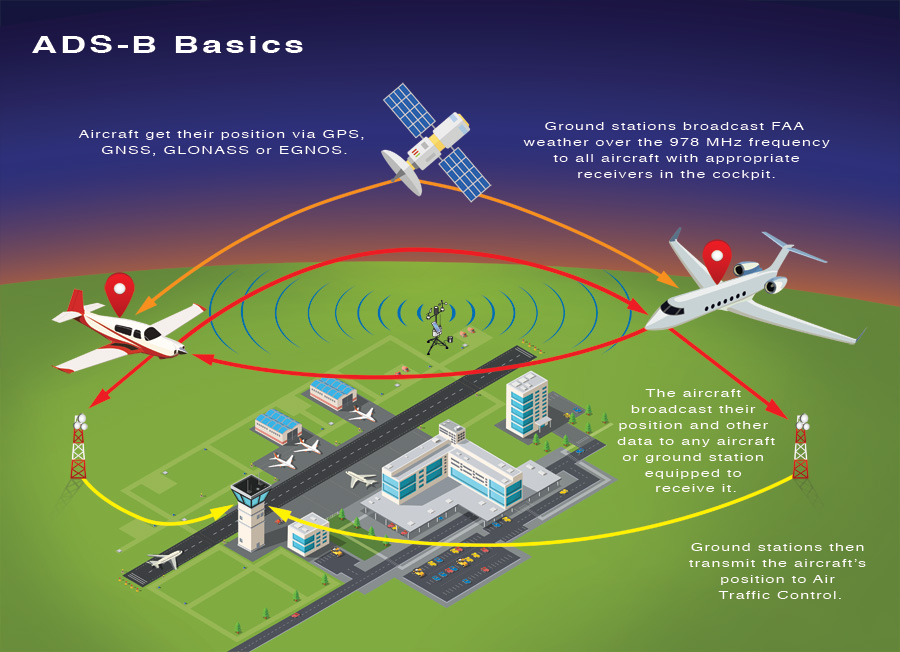

 
Anybody can gather this data and by doing so, you can actually be part of the system by uploading your gathered data 'on the fly' to interested parties. In order to build your own Ground Station, you'll need the following...

  • A computer (Raspberry Pi with SDCARD)
  • A connection to the internet
  • A FlightAware USB stick
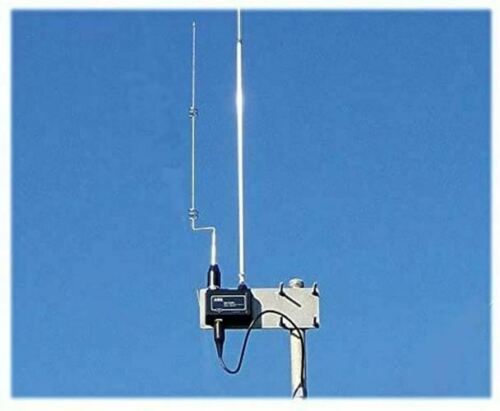
  • A Tiny 1090MHz antenna
  • A FlightAware Account


You can see from the photo above that I chose a Raspberry Pi Zero 2W which are very cheap, very small and perfectly capable of running the software. I bought one with the optional aluminium case which doubles up as a heatsink. 

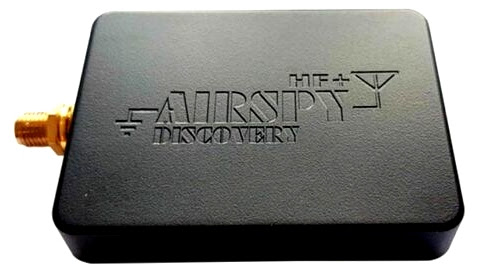
There are a number of ADS-B RECEIVER dongles on the market, but the very best is the FlightAware Pro Plus because it has a built-in preamp and built-in filter. It's therefore far more reliable at decoding than others and will give you superior results, for just a small premium.

As a contributor to the ADS-B data system (ie, you're uploading all the aircraft data gathered from your Ground Station), you can obtain a FREE Enterprise account which would normally cost you around £90 per month, giving you full access to the system.

 SAMPLES


Traffic over Europe with Weather

Click on the image below to read the full installation guide. It's all very straightforward and you'll be up and running in no time at all...


If you have anything to add to this post, please make a comment in the COMMENTS SECTION below and don't forget to add your name (and callsign if you have one).

Thanks for visiting the blog.

Tom, M7MCQ.
 

Friday, 1 September 2023

ShortWave Listening

UK  ShortWave Listening

My interest in radio started as a child. I was off school due to illness and my Mum brought an old AM transistor radio into my bedroom to ward off the boredom. She had it tuned to a pop-music station and that was fine, but it wasn't long before I started to spin the tuning dial in search of something else. 

During that time stuck in bed, I discovered many new sounds and languages. People talking from foreign lands, strange musical instruments fading in and out of the radio. Nigh-time brought in stations that hadn't been present during the day. I was fascinated by it all and although I didn't know it at the time, this would become a life-long hobby.

So for the next 50-odd years I have enjoyed a bit of occasional SWL and continue to do so. In 2019 I decided to get my ham license to expand my radio activities and now regularly come into contact with people from the hobby. 

It seems to me that there's a lot of people out there who have an interest in SWL but they're not quite sure what's available to listen to. Sure, the passing years have seen a considerable fall in the amount of radio broadcast stations, but there's still lots available and these can be supplemented with other listening activities, such as NDB's (Non Directional Beacons), AirBand, Marine, Military, Amateur, etc.

Let's look at 11 of the Bands where you can tune around and expect to find activity. Please bear in mind that these bands aren't "open" all the time and may be unpredictable. If you tune around a band one day (or night) and hear nothing, try again on a different day (or night). 'Band conditions' change all the time, so be aware of that and look out for those occasions when signals are BOOMING in from far off lands. There are lots of free indicators on the internet, like the one shown below....

The bands which most people tune around for broadcast stations are the ones listed below..... 

BROADCAST BANDS

90 metres 3.200 – 3.400 mHz
75 metres 3.950 – 4.000 mHz
60 metres 4.750 – 5.060 mHz
49 metres 5.850 – 6.200 mHz
41 metres 7.200 – 7.450 mHz
31 metres 9.400 – 9.900 mHz
25 metres 11.600 – 12.050 mHz
21 metres 13.570 – 13.870 mHz
19 metres 15.100 – 15.800 mHz
16 metres 17.480 – 17.900 mHz
13 metres 21.450 – 21.850 mHz

Don't forget though, that unless you're sat on top of a hill, you're not going to hear very distant stations clearly unless you use a decent antenna. You don't have to go crazy and buy a multi-element Yagi, but a long wire outside from your house to a tree or other support will transform your listening.

If you're serious about SWL, then you'd be well advised to buy a copy of the WORLD RADIO & TV HANDBOOK from online. Don't worry about getting one a couple of years old - it's no big deal. This publication will not only help to identify incoming signals, but will also help you to go in search of them.


You might also want to get familiar with a website called Short-Wave.Info which will tell you what's playing right now! This is useful if you've tuned into a station which you can't readily identify. Simply type the frequency in the "Find stations broadcasting on" box and it will show you all the Radio Station names which are broadcasting at that moment. Some will be highlighted in red and you will have to decide which one is the one you're listening to. Maybe there's 3 listed and one's in German, one's in English and the other's in Chinese. You should hopefully be able to tell the difference between those languages LOL.


On top of the Short-Wave.Info site, you may also want to look at the EiBi website. This lists a comprehensive ShortWave Broadcasting Schedule which is changed twice a year (Summer & Winter). You can download this list and some SDR software will allow you to import the database so as to provide you with "Spots" onscreen. 

Another great addition to your SWL arsenal is a Matching Unit or ATU. Too many people think that "tuners" are strictly for use with Transceivers, but that's not the case. Your receiver will almost invariably have a 50ohm antenna socket and the antenna wire that you connect to it may well present a 300ohm (or much, much more) load. If you can cancel out this mis-match, you'll find that your background noise goes quieter and the desired signal goes louder!


Something like the AT-1000 Coupler above can make all the difference to the readability of the incoming signals. They can quite often be found on eBay for very little money.

As for antennas, the simplest solution is a long wire as mentioned previously. You can make this yourself from whatever you have around the house such as speaker wire - basically the longer the better, but a 66ft length is a great start. Or you can buy a commercial wire to suit the space available in your garden or loft, such as an EF-SWL. 

If you don't have space for a long wire, you could consider using a high quality Discone antenna. These are surprisingly good despite their early reputation. I have one made by DIAMOND and it regularly surprises me! They're not fantastic below 25MHz though.

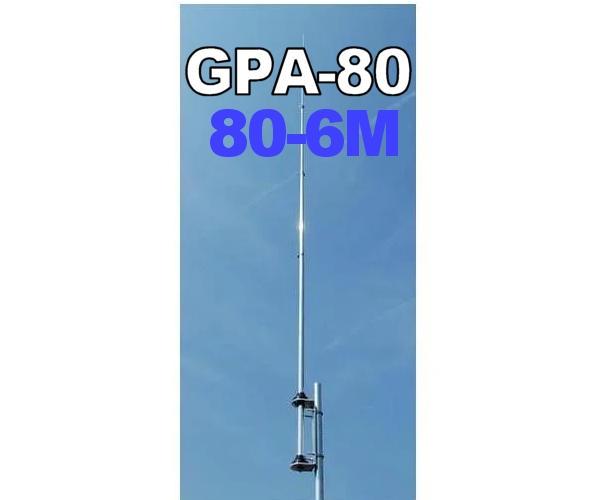
Another option would be a HF Vertical. There are lots on the market with really wide coverage such as the cheap GPA-80 which covers 80M to 6M. Now bear in mind that reviews of antennas like these are always based on their transmission capabilities and not their ability to receive stations. You can get some surprisingly good DX using one of these - especially with a good ground.


If you live in an electrically noisy area and if space is at a real premium, you might wish to consider a Magnetic Loop. These are amazing at dealing with local noise from LED's, solar panels, etc, but they're not usually cheap and they have an extremely narrow bandwidth, so you need to keep tuning them as you change frequency. Loops can be used very succesfully indoors and are quick to pack away when not being used.

For those looking for a “single antenna solution”, I guess my all-time favourite 'fixed' SWL antenna is the AOR SA-7000 because it is incredibly compact, covers a massive range of frequencies and can easily be mounted. Perfect for scanner users. With the advent of wideband SDR receivers, this antenna really comes into its own, covering 30kHz - 2000MHz.  It's not cheap of course, but you get what you pay for. Needless to say, you should spend most of your SWL budget on your antenna(s). Depending on your listening habits, you may well need multiple antennas.


Speaking of SDR receivers, it seems almost silly to use anything but one! I still use my old AOR AR-3000A and my ALINCO DJ-X2000, but the fact is, modern SDRs like the SDRPLAY RSP1A and RSPdx are just incredibly good and offer far more functions and features as long as you have a decent computer/laptop.

Personally, I get great pleasure warming up the old AR3000A, pressing those wobbly buttons and spinning the tuning dial, but I fully appreciate (and enjoy) the technical marvel that is the RSPdx. Once you've experienced colours screens with large scopes and waterfalls, it's hard to go back to the old tech, apart from a bit of reminiscing.


There's a bunch of free software out there for SDR Dongles and it's great fun to download them and experiment. My own personal favourite has to be SDR UNO from SDRPLAY. This is very fully featured software and can be a tad intimidating when you first try it, but you soon get used to it, especially as there are lots of video tutorials for it.


Other software includes HD-SDR, SDR CONSOLE and more depending on your chosen hardware...


What about receivers?

Well personally, if I was just setting out I would start cheap and buy an SDRPLAY RSP1A. You can sort of "dip your toes in the water" without getting burned. They cost under £100 and offer  outstanding  performance! If you enjoy it and want to go further then you could easily sell the RSP1A and upgrade to the amazing RSPdx which has the best receiver of all the SDRPLAY models. A further upgrade would be to add an external Tuning Dial like the ELAD TMATE2 show next to the laptop in the image above. These make an incredible difference to the enjoyment of an SDR dongle.

There's lots of SDR Dongles on the market and I recommend that you search out reviews of them all before buying, but I personally don't think you can beat the SDRPLAY products - not just in terms of performance, but also in terms of Support from both the manufacturer and the community.


If you don't want to be tied to a computer, you will probably be looking for a more traditional receiver. Again, there's loads on the market and you can pay £100 to £5000. Some of them act as standalone radios and some offer standalone AND computer connectivity.  Don't be afraid to buy second-hand radios! I've had some amazing bargains by monitoring selling sites such as Ebay and MarketPlace and dropped in some really cheeky offers for gear and 90% of the time I've been told to go away in no uncertain terms. But every now and then, someone will accept my cheeky offer and I end up with a bargain buy like this fantastic DJ-X2000.


One of my favourite HF receivers is the truly outstanding BELKA DX. This is a really compact high-performer that will bring a smile to your face every time you switch it on. Sadly, it doesn't doesn't go below 1.5MHz, so you miss out on Long Wave. 
In addition to being a great receiver, it also has an IQ-OUT socket!

The little Belka comes from Belarus, so right now they're almost impossible to order new due to ‘nearby conflicts’. If you want one of these little gems, you're probably going to have to save a search on eBay.

If you're looking for something that will serve you as a SWL Receiver and double up as a family radio, then you really do have a massive choice! There are scores of great portable radios out there and my own choice up to now has been the TECSUN PL-680 and its big brother the S2000.


The PL-680 includes AirBand and that's why I chose it above many of its competitors. It's very annoying when you look at some manufacturers flagship radios, only to find they don't include this popular band.

The big S2000 is quite a lump and you're not going to be slipping that into your pocket any time soon! It is though, a great performer and includes two built-in antennas and ports for external antennas. The sound on this bad boy is rich and entertaining. Neither of the Tecsuns are shining examples of receiver technology, but they're both very capable and remember that they both double up as family radios around the house and garden.

If you don't want to spend too much on a portable radio, then I'd strongly recommend the cheap but sensitive XHDATA D-808. It's at the lower end of the price range but it's pretty big on performance for the money and it covers LW, MW, HF and AIRBAND. 

There's little point in me discussing truly higher-end receivers because they're not for beginners. They cost a lot of money and your first concern should be that SWL is for you, before spending the family pension fund. Try one of the radios mentioned above and if you find yourself eager to go further, then you can start researching high-end equipment from the likes of Elad and Icom, etc.

So which frequencies are regularly used? Well as I said previously, you'd do well to buy the WRTH book but to start off right here in the UK, see how many of these stations you can pick up...

UK MW STATIONS

558: Spectrum Radio (AM)
585: BBC Radio Scotland (Dumfries)
603: Gold (East Kent)
603: BBC Radio 4 (LW) (Newcastle)
630: BBC Three Counties (Hertfordshire & Buckinghamshire)
630: BBC Radio Cornwall (West Cornwall)
657: BBC Radio Cornwall (East Cornwall)
657: BBC Radio Wales (North East Wales)
666: BBC Radio York (York & Surrounding Areas)
693: BBC Radio 5 live
720: BBC Radio 4 (LW) (London)
720: BBC Radio 4 (LW) (Lisnagarvey)
720: BBC Radio 4 (LW) (Londonderry)
729: BBC Essex (Colchester)
738: BBC Hereford and Worcester (Worcester)
756: Radio Hafren
756: BBC Radio Cumbria (Carlisle)
756: BBC Radio 4 (LW) (West Cornwall)
765: BBC Essex (Chelmsford)
774: Gold (Gloucester)
774: BBC Radio Kent (East)
774: BBC Radio Leeds
774: BBC Radio 4 (LW) (Enniskillen)
774: BBC Radio 4 (LW) (Plymouth)
792: Gold (Bedford)
792: BBC Radio Foyle
801: BBC Radio Devon (Barnstaple & North Devon)
810: BBC Radio Scotland (Central and Southern Scotland)
810: BBC Radio Scotland (Aberdeen)
810: BBC Radio Scotland (Northern Scotland)
828: Gold (Bournemouth, Luton)
828: BBC Asian Network (Wolverhampton)
828: Magic 828
837: BBC Radio Cumbria (Barrow-in-Furness)
837: BBC Asian Network (Leicester, Nottingham & Derby)
846: Seaside Hospital Radio (Southlands Hospital)
855: Sunshine 855
855: BBC Radio Norfolk
855: BBC Radio Lancashire (Central & South)
855: BBC Radio Devon (Plymouth)
873: BBC Radio Norfolk (King’s Lynn)
873: BBC Radio Ulster
882: BBC Radio Wales (North West Wales/Anglesey)
882: BBC Radio Wales (South Wales)
909: BBC Radio 5 live
936: Gold (West Wiltshire)
936: Fresh Radio (Hawes)
945: Gold (Eastbourne, Derby)
945: Radio Nightingale (Rotherham General Hospital)
945: Canterbury Hospital Radio
945: Hospital Radio Reading (Battle Hospital)
945: Hospital Radio Basingstoke
945: Rookwood Hospital (Rookwood Hospital)
945: Portsmouth Hospital (Queen Alexandra Hospital)
945: Radio Northwick Park
963: Asian Sound Radio (Blackburn)
963: Buzz Asia (London)
972: Buzz Asia (West London)
990: Gold (Midlands) (Wolverhampton)
990: Magic AM (South Yorkshire) (Doncaster)
990: BBC Radio Devon (Exeter & East Devon)
990: BBC Radio 5 live (Tywyn)
990: BBC Radio Scotland (Aberdeen)
990: BBC Radio nan Gaidheal
999: Magic 999
999: Gold (Nottingham)
999: BBC Radio Solent
999: B1000
999: Whitechapel AM
999: Radio Brockley
999: Radio Heatherwood
999: Radio King’s
1017: Gold (Midlands) (Shrewsbury & Telford)
1026: Downtown Radio (Greater Belfast)
1026: BBC Radio Cambridgeshire (Cambridge)
1026: BBC Jersey
1035: Northsound 2
1035: West Sound 1035
1035: BBC Radio Sheffield
1035: Kismat Radio
1053: Talk Sport
1071: Talk Sport (Nottingham)
1071: Talk Sport (Newcastle)
1089: Talk Sport
1089: Talk Sport (Dartford Tunnel – Relay)
1107: Talk Sport (Merseyside)
1107: Talk Sport (West Sussex)
1107: Talk Sport (South Kent)
1107: Talk Sport (Torbay)
1107: Talk Sport (The Wash)
1107: Talk Sport (Hampshire)
1107: MFR Two
1116: BBC Radio Derby
1116: BBC Guernsey
1125: BBC Radio Wales (Mid Wales)
1134: IC Radio (Wye campus)
1134: BFBS Gurkha Radio (Sandhurst Barracks)
1134: BFBS Gurkha Radio (Gamecock Barracks)
1134: L&D Hospital Radio
1152: Gold (Norfolk, Plymouth)
1152: Gold (Midlands) (Birmingham)
1152: Clyde 2
1152: LBC News 1152
1152: Magic 1152 (Tyne and Wear)
1152: Magic 1152 (Manchester)
1161: Gold (Swindon)
1161: Tay AM (Dundee)
1161: BBC Three Counties (Bedfordshire)
1161: BBC Sussex (East Sussex)
1161: Magic 1161
1170: Gold (Portsmouth, Ipswich)
1170: Signal 2
1170: Swansea Sound
1170: Magic 1170
1197: Absolute Radio (Torbay)
1197: Absolute Radio (Merseyside)
1197: Absolute Radio (Nottingham & Derby)
1197: Absolute Radio (Brighton)
1197: Absolute Radio (Bournemouth)
1197: Absolute Radio (Oxford)
1197: Absolute Radio (Cambridge)
1197: Absolute Radio (North Kent & Thames Estuary)
1215: Absolute Radio
1215: Absolute Radio (Dartford Tunnel (Relay))
1233: Absolute Radio (Sheffield & Rotherham)
1233: Absolute Radio (Northampton & Corby)
1233: Absolute Radio (Colchester & Ipswich)
1233: Absolute Radio (Swindon)
1233: Absolute Radio (Reading)
1242: Gold (West Kent) 1242: Absolute Radio (Teesside)
1242: Absolute Radio (Stoke-on-Trent & Stafford)
1242: Absolute Radio (Dundee)
1242: Absolute Radio (The Wash)
1251: Gold (Bury St. Edmunds)
1251: RaW 1251AM
1251: The CAT 1251
1260: Gold (Bristol, Bath)
1260: Gold (Wales) (Wrexham and Chester)
1260: Absolute Radio (South Kent)
1260: Absolute Radio (Eastbourne & Hastings)
1260: Absolute Radio (Surrey)
1260: Sabras Radio
1260: BBC Radio York (Scarborough & Surrounding Areas)
1278: Pulse 2 (Bradford)
1278: Trust AM (Bassetlaw Hospital)
1278: Crush Radio 1278am
1278: Palace Radio
1278: BFBS Gurkha Radio (Shorncliffe Barracks)
1278: Radio Royal (Forth Valley) (Falkirk Royal Infirmary)
1287: 107 Garrison FM (Bassingbourn)
1287: 106.8 Garrison FM
1287: Insanity
1287: Surge
1287: Radio Redhill
1287: BFBS Gurkha Radio (Invicta Park Barracks)
1287: BHR 1287
1287: NH Sound
1287: VRN 1287
1287: Hospital Radio Gwendolen
1296: Radio XL 1296 AM
1305: Gold (Wales) (Newport)
1305: Magic AM (South Yorkshire) (Barnsley)
1305: Premier Christian Radio (London) (North London)
1305: Premier Christian Radio (London) (South London)
1323: Smooth Radio (Brighton)
1332: Gold (Peterborough)
1332: Premier Christian Radio (London) (Central London)
1332: BBC Wiltshire
1341: BBC Radio Ulster (Lisnagarvey)
1350: RamAir 1350am
1350: URY 1350AM
1350: URN (University Park Campus)
1350: Air3 Radio
1350: LCR
1350: UKCR 1350AM
1350: Radio Nightingale (Rotherham General Hospital)
1350: GU2 Radio
1350: Livewire 1350AM
1350: Kingstown Radio
1350: Frequency
1350: Hospital Radio Pulse
1350: Hemel Hospital Radio (Hemel General Hospital)
1350: Mid-Downs Hospital Radio (The Princess Royal Hospital)
1350: Radio Cavell
1350: Range Radio 1350am
1350: Hospital Radio Yare
1359: Gold (Chelmsford)
1359: Gold (Midlands) (Coventry and Warwickshire)
1359: Gold (Wales) (Cardiff)
1359: BBC Radio Solent (Dorset)
1368: Manx Radio
1368: BBC Surrey (East Surrey/North Sussex)
1368: BBC Radio Lincolnshire
1368: BBC Wiltshire (Swindon)
1377: Asian Sound Radio (Manchester)
1386: Blast 1386
1386: Anker Radio
1386: Carillon Radio (Loughborough Hospital)
1386: Carillon Radio (Coalville Hospital)
1386: 1386AM HCR
1386: VI Radio
1404: RED Radio
1404: Radio Rovers
1413: Fresh Radio (Skipton)
1413: Premier Christian Radio (London) (West London)
1413: Premier Christian Radio (London) (East London)
1413: BBC Radio Gloucestershire (South)
1413: BBC Radio Gloucestershire (North)
1413: Manchester United Radio
1431: University Radio Falmer
1431: Gold (Southend, Reading)
1431: Fresh Radio (Settle)
1431: Xtreme Radio 1431AM
1431: Chichester Hospital Radio
1431: Apple AM
1431: Radio Sonar
1449: BBC Asian Network (Peterborough & Cambridge)
1449: BBC Radio 4 (LW) (Aberdeen)
1449: 1449AM URB
1449: Hub Radio
1458: Gold (Manchester)
1458: Sunrise Radio (London)
1458: BBC Newcastle
1458: BBC Radio Cumbria (Whitehaven)
1458: BBC Radio Devon (Torbay & South Devon)
1458: BBC Asian Network (Birmingham)
1485: Gold (Newbury)
1485: BBC Sussex (Brighton)
1485: BBC Radio Humberside
1485: BBC Radio Merseyside
1485: BBC Radio 4 (LW) (Carlisle)
1503: BBC Radio Stoke
1503: 1503 AM Radio Diamonds
1503: Betar Bangla
1530: Pulse 2 (Halifax & Huddersfield)
1530: BBC Essex (Southend-on-Sea)
1548: Magic 1548
1548: Gold (London)
1548: 1548 Forth 2
1548: Magic AM (South Yorkshire) (Sheffield & Rotherham)
1548: BBC Radio Bristol
1557: Gold (Northampton, Southampton)
1557: BBC Radio Lancashire (North)
1566: County Sound Radio 1566 MW
1566: BBC Somerset
1575: JamRadio
1575: Stoke Mandeville Hospital Radio
1575: Radio Tyneside
1584: London Turkish Radio
1584: Tay AM (Perth)
1584: BBC Hereford and Worcester (Tenbury Wells)
1584: BBC Radio Nottingham
1602: BBC Radio Kent (West)
1602: Desi Radio

Depending on conditions, you'll be surprised at how many you can hear from the other end of the country. Bear in mind this will alter virtually every day though. 

Here's some LW stations...

153 Alger Chaine 1Bechar2000
153 Romania ActualitataBrasov Bod1200
153 DeutschlandfunkDonebach500
153 R YunostTaldom300
153 NRK EuropakanalenIngoy100
162 France InterAllouis2000
162 TRT-4Agri1000
162 GRTK Taymyr / R RossiiNorilsk150
162 Uzbek Radio 1Tashkent150
164 Mongolyn RadioKhonkhor500
171 R Mediterranee Int'lNador2000
171 R Chechnya  Tbilisskaya1200
171 R RossiiBolshakovo600
171 GRTK Tomsk / R RossiiOyash250
171 NVK Sakha / R RossiiYakutsk150
177 Deutschlandradio KulturZehlendorf500
180 TRT-4Polatli1200
180 Chitinskaya GRTK / R MayakChita150
180 GTRK  R RossiiPetropavlovsk150
183 Europe 1   Felsberg2000
189 GRTK Amur / R RossiiBelogorsk1200
189 RikisutvarpidGufuskalar300
189 R RossiiBlagoveshchensk150
189 Gruzinsloye RTbilisi100
189 Sveriges RMotala20
198 Alger Chaine 1Ouargla2000
198 BBC Radio 4Droitwich500
198 R MayakAngarsk250
198 Polskie R 1Raszyn200
198 R MayakKurovskaya150
198 R MayakOlgino75000
198 BBC Radio 4Droitwich 400
198  BBC Radio4 Westerglen50
198 BBC Radio 4Burghead50
207 D eutschlandfunkAholming500
207 RTM AAzilal400
207 R MayakTynda150
207 Ukrainske Radio 1Kyiv125
207 Iceland RikisutvarpidEidar100
209 Mongolyn RadioDalanzadgad75
209 Mongolyn RadioChoibalsan75
209 Mongolyn RadioUlgii30
216 R Monte CarloRoumoules2,000
216 Azerbaijani Radio 1Gyandza500
216 R RossiiBirobidzhan150
216 Tsentr Rossii / GRTK  Krasnoyarsk150
225 Polskie Radio P1Solec Kujawski1200
225 Khanty GRTK YugoriyaSurgut1000
225 TRT-GAP / TRT-4Van600
227 Mongolyn RadioAltai75
234 RTLBeidweiler2000
234 GRTK Magadan / R RossiiArman1000
234 Radio 1Gavar500
234 Irkutskaya GRTK / R RossiiAngarsk250
243 Primorskoe R / R RossiiRazdolnoe500
243 TRT Erzurum R / TRT-4Erzurum200
243 DR  danmarks Radio   Kalundborg  50
252 Alger Chaine 1 & 3Tipaza1500
252 RTE Radio 1Clarkstown100
252 R RossiiKazan150
252 Algeria (2 trasnmitters)    1,500
252 Tajik RadioDushanbe150
261 R RossiiTaldom2500
261 R Rossii / Chitinskaya GRTKChi   150
261 R HorizontVakarel60
270 Cesky rozhlas 1Topolna650
270 R Slovo / GRTKNovosibirsk150
279 GRTK Sakhalin / R Rossii1000
279 Belaruskaye Radio 1Sasnovy500
279 GRTK / R RossiiUlan-Ude150
279 GRTK / R RossiiYekaterinburg150
279 Turkmen Radio 1Asgabat150
279 GRTK Altay / R RossiiGorno-Altaysk50 

SPECIAL : March 2022 : The BBC said that the two new shortwave radio frequencies – 15735 kHz and 5875 kHz – will broadcast WORLD SERVICE news in English for four hours a day. These frequencies can be received clearly in Kyiv and parts of Russia, but you might not hear the broadcasts from the UK (but you might if conditions are right).

📻 BBC WS : 15735 kHz 16:00 – 18:00 GMT +2 📻 BBC WS : 5875 kHz 22:00 – 00:00 GMT +2

You will (hopefully) notice that there are a number of stations listed for the same frequency. Obviously they will be many miles from each other and wouldn't normally interfere with one another but it's easy to find yourself with a stronger signal from the furthest away transmitter than the closest one due to propagation variances. On 252 for example, you'll hear an Irish accent one night and an Algerian the other  night 😵


AIRBAND HF FREQUENCIES

If you want to explore the HF Aeronautical Frequencies, try these. If your radio has memories, it might be an idea to input some of these into search bands and just start a scan until you hear something.

Aeronautical HF Bands...

10005 - 10100kHz

11175 - 11400kHz

13200 - 13360kHz

15010 - 15100kHz

17900 - 18030kHz

21870 - 22000kHz

23200 - 23350kHz

2850 - 3155kHz

3400 - 3500kHz

4650 - 4750kHz

5480 - 5730kHz

6525 - 6765kHz

8815 - 9040kHz


VOLMET SERVICE

Automated weather service for aircraft and if nothing else, you can use it to gauge local conditions. If you listen to it regularly, you get an idea of how it sounds at its best and how much it varies according to conditions. Make a note of S-Readings, best and worst.

5450 kHz RAF Volmet

5505 kHz Shannon Volmet 

5598 kHz Shannon ATC. Secondary calling on 8906 

5616 kHz Shannon ATC. Secondary calling on 8864 

5649 kHz Shannon ATC. Secondary calling on 8879 

5658 kHz Shannon ATC 

5680 kHz Kinloss Rescue 

6622 kHz Shannon Volmet and Gander


COASTGUARD STATIONS

1644 Malin Head Coast Guard Radio. Listening on 2069. 

1743 Stornoway Coastguard. Listening on 1743. 

1746 Valentia Coast Guard Radio. Listening on 2090. 

1752 Milford Haven Coastguard. Listening on 2096. 

1770 Shetland Coastguard. Listening on 1770. 

1880 Falmouth Coastguard. Listening on 1880. 

1883 Belfast Coastguard. Listening on 1883. 

1925 Humber Coastguard. Listening on 1925.

2182 International Marine Calling

2226  Aberdeen Coastguard and Hebrides Range Control.

2670 Falmouth Coastguard. Listening on 2670.

3023 Search & Rescue Night

4023 Search & Rescue Night

4125 International Marine Distress

4146 Primary Ship-Ship Channel-A

4149 Primary Ship-Ship Channel-B

4718 UK Rescue Night

5680 UK Rescue

5699 UK Rescue Secondary

8291 Marine Distress International

11253 RAF Volmet

12290 Marine Distress International

16420 Marine Distress International


AMATEUR RADIO BANDS

Listening to ham radio operators can be great fun too. People from all walks of life, with different outlooks, kings to gardeners, estate agents to astronauts!!

Amateur band – 160M Top Band. 1.8-2.0 MHz.
Closest broadcast band – Medium wave

Day or Night (best at night)

Amateur band – 80M 3.5-3.8 MHz.
Closest broadcast band – 90 metres and 75 metres

Best at night

Amateur band – 40M 7.0-7.1 MHz.
Closest broadcast band – 60 metres 49 metres 41 metres

Day or Night (good at night)

Amateur band – 30M 10.100-10.150 MHz.
Closest broadcast band – 31 metres 25 metres

Day or Night (good at night)

Amateur band – 20M 14.000-14.350 MHz.
Closest broadcast band – 21 metres 19 metres

Day or Night (variable)

Amateur band – 17M 18.068-18.168 MHz.
Closest broadcast band – 16 metres

Day or Night (variable)

Amateur band – 15M 21.000-21.450 MHz.
Closest broadcast band – 13 metres

Day or Night (very variable)

Amateur band – 12M 24.890-24.990 MHz.

Day or Night (very variable)

Amateur band – 10M 28.000-29.7000 MHz.

Day or Night (very variable)


Well, hopefully that's enough to get you started! There's much more to do in the hobby of SWL and then maybe you'll want to move into ham radio if you're not already licensed.

If you've anything to contribute to this topic, please leave a comment.


73, Tom, M7MCQ

www.m7mcq.com